


Moving to a new home is an exciting milestone but comes with its fair share of challenges. One of the most crucial aspects of a successful move is thoughtful packing. From protecting your belongings to ensuring a smooth transition to your new home, how you pack can make all the difference. This comprehensive guide will explore the importance of thoughtful packing and provide practical tips and strategies for packing efficiently and effectively.
The Importance of Thoughtful Packing
Packing is a critical aspect of any move, and taking the time to pack thoughtfully can significantly improve the success of your relocation. From protecting your belongings to ensuring a smooth transition to your new home, thoughtful packing sets the stage for a stress-free move. Let’s delve into why packing deserves careful consideration and explore some efficient and effective strategies.
Setting the Stage for a Damage-Free Relocation
One primary reason thoughtful packing is crucial is its role in preventing damage to your belongings during transit. When items are packed haphazardly, or without proper care, they are more susceptible to breakage, scratches, and other damage. By taking the time to pack items securely and using appropriate packing materials, you can minimize the risk of damage and ensure that your belongings arrive at your new home in the same condition as when they left.
How to Efficiently Pack Room by Room
A systematic approach to packing is essential for staying organized and maximizing efficiency. Start by tackling one room at a time, beginning with less frequently used areas such as the attic or basement. Sort through your belongings, decluttering as you go by disposing of or donating items you no longer need or use. Then, pack similar items together and label boxes clearly with their contents and destination room. This makes it easier to unpack at your new home and helps prevent misplaced or lost items during the move.
Strategies for Efficient Packing
In addition to packing room by room, there are several strategies you can employ to pack more efficiently:
- Use space wisely: Fill empty spaces in boxes with soft items like clothing or linens to minimize wasted space and reduce the risk of items shifting during the move.
- Prioritize essentials: Pack essential items separately in a designated “essentials box” that you’ll have easy access to on moving day. This box should contain necessities such as toiletries, a change of clothes, important documents, and basic kitchen supplies to ensure a smooth transition to your new home.
- Label strategically: Clearly label boxes with their contents and destination room to facilitate easy unpacking and organization. Consider color-coding or numbering boxes for added clarity, and create a master inventory list to keep track of all packed items.
Gather Essential Packing Supplies
Creating a Comprehensive Packing Materials Checklist
Before you embark on your packing journey, it’s essential to ensure that you have all the necessary packing supplies on hand. Creating a comprehensive packing materials checklist can help you gather everything you need and avoid last-minute trips to the store. Here are some items to include on your checklist:
- Boxes: Select a variety of sturdy boxes in different sizes to accommodate various items. Opt for new or gently used boxes free from damage and with intact flaps for sealing.
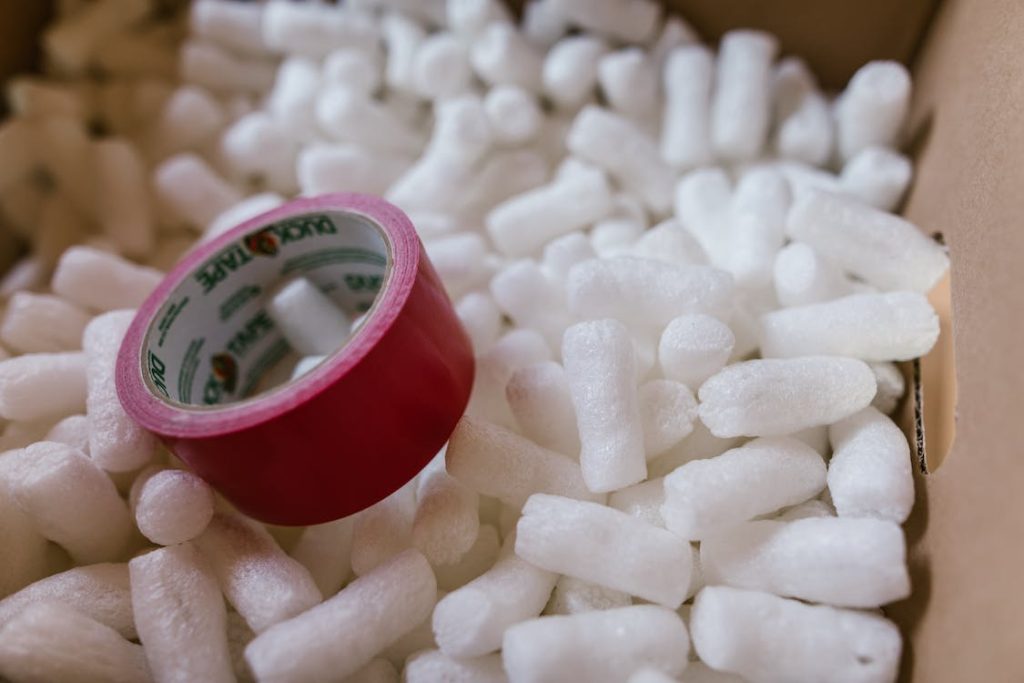
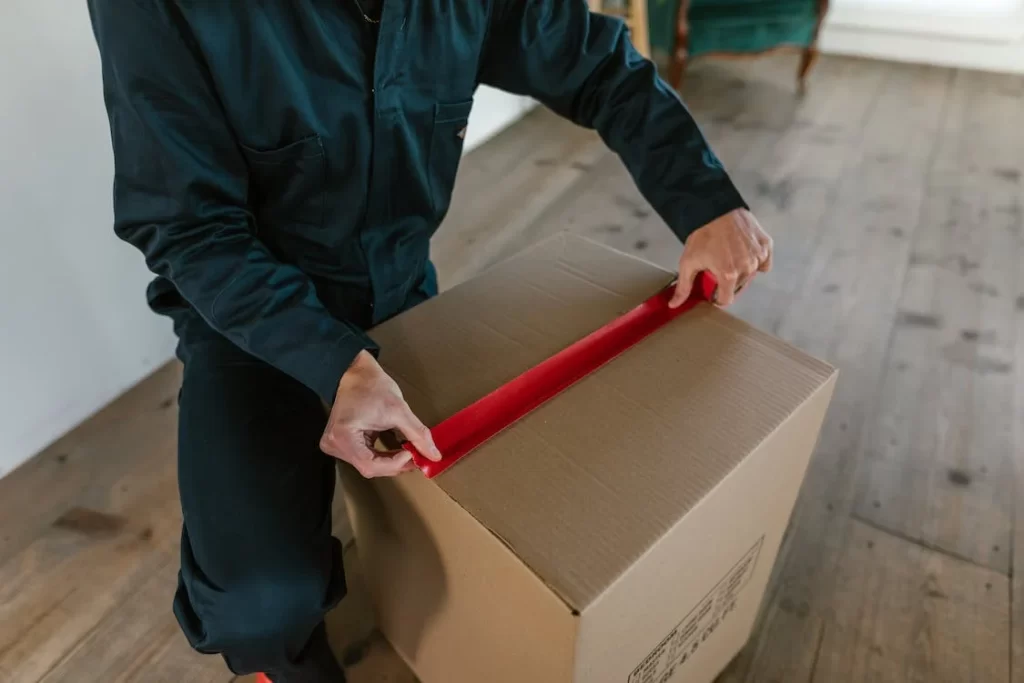
- Tape: Invest in high-quality packing tape to securely seal boxes and prevent them from opening during transit. Consider using reinforced or heavy-duty tape for added durability.
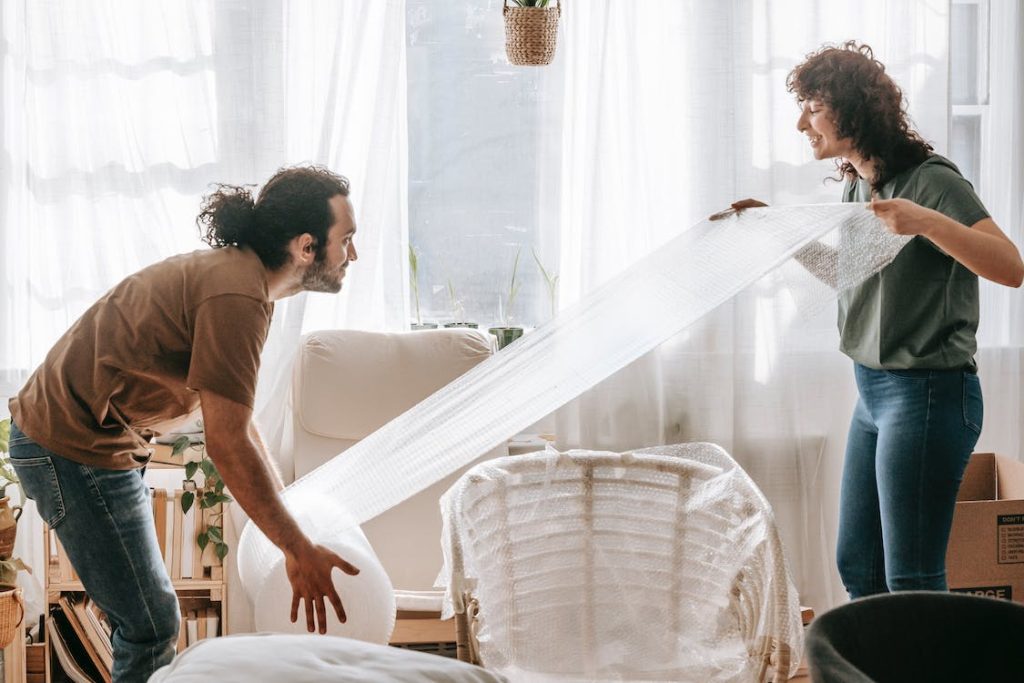
- Bubble wrap: Use bubble wrap to protect fragile items such as glassware, dishes, and electronics. Wrap each item individually to cushion it against impact and prevent breakage.
- Packing paper: Use packing paper to wrap delicate items and fill empty spaces in boxes to prevent shifting. Avoid using newspaper, as the ink can transfer onto your belongings.
- Packing peanuts or foam: Fill gaps and provide additional cushioning inside boxes with packing peanuts or foam inserts. These materials help absorb shock and protect items from damage during transportation.
- Packing blankets or furniture pads: Safeguard large furniture pieces and other bulky items with packing blankets or furniture pads. Wrap items securely to prevent scratches, dents, or other damage.
- Box cutter or utility knife: Keep a box cutter or utility knife on hand for easy opening of sealed boxes during the unpacking process.

How to Create a Comprehensive Packing Materials Checklist
Creating a comprehensive packing materials checklist ensures that you have everything you need to pack your belongings safely and efficiently. Follow these steps to create your checklist:
- Assess your inventory: Take stock of all the items you plan to pack and categorize them based on size, fragility, and other factors.
- Identify packing requirements: Determine the specific packing materials needed for each category of item. Fragile items may require bubble wrap and packing paper, while large furniture pieces may need furniture pads or blankets.
- Make a list: Based on your assessment, compile a list of all the packing materials you’ll need. Be sure to include quantities for each item to ensure you have enough supplies on hand.
- Gather supplies: Once you have your checklist, gather all the necessary packing materials from your local moving supply store, hardware store, or online retailer.
Packing Room by Room
A systematic approach to packing your home can help you stay organized and reduce stress during moving. By focusing on one room at a time, you can break down the packing process into manageable tasks and ensure that no items are overlooked. Here’s how to approach packing room by room effectively:
Strategies for Efficient Packing
When packing room by room, consider the following strategies to maximize efficiency:
- Sort and declutter: Before you start packing, sort through your belongings and declutter items you no longer need or use. Donate, sell, or dispose of items that no longer serve a purpose in your life.
- Pack strategically: Begin with rooms that are used less frequently, such as guest rooms or storage areas, and work your way towards more frequently used spaces like the kitchen and living room. Pack similar items together to streamline the unpacking process at your new home.
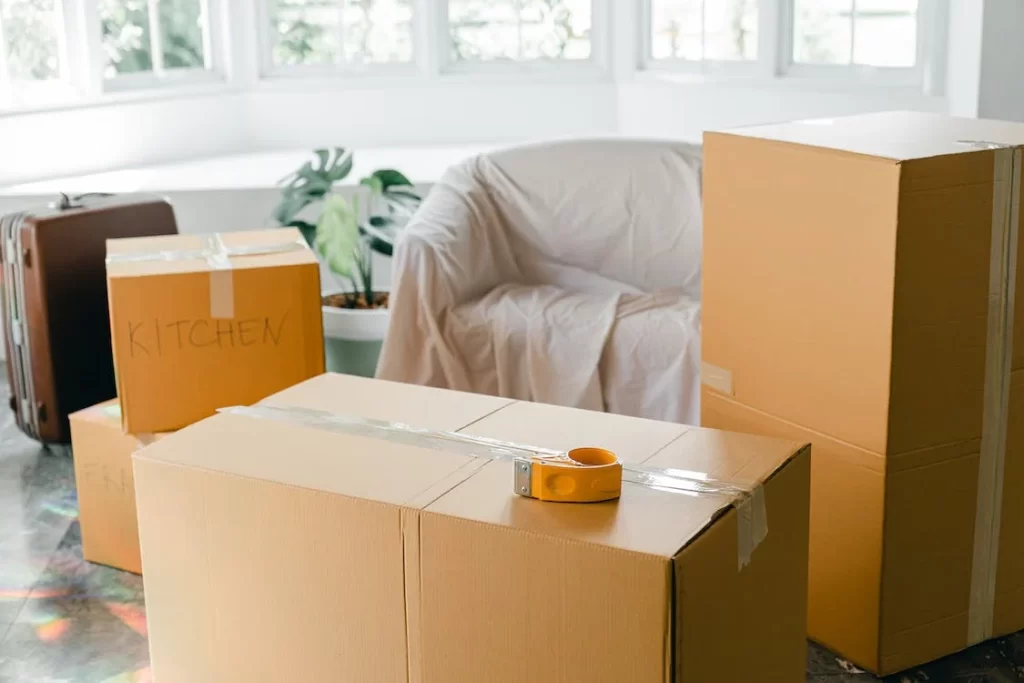
- Label boxes clearly: As you pack each box, be sure to label it clearly with its contents and the room in which it belongs. Consider using color-coded labels or a numbering system to organize your boxes further.
Specialty Items and Fragile Belongings
When packing room by room, pay special attention to fragile items and specialty belongings that require extra care. Here are some tips for packing these items safely:
- Use proper packing materials: Wrap fragile items such as glassware, dishes, and artwork in bubble wrap or packing paper to protect them from damage during transit.
- Pack electronics securely: If possible, use the original packaging for electronic devices such as computers, TVs, and stereo equipment. If not, wrap them in blankets or bubble wrap and pack them in sturdy boxes with plenty of padding.
- Secure valuables: For valuable items such as jewelry, important documents, and sentimental keepsakes, consider packing them separately in a safe box that you’ll transport yourself rather than entrusting them to the moving company.
Labeling and Organizing Boxes
Adequate labeling and organization of boxes are essential for a smooth and efficient move. By labeling boxes clearly and organizing them strategically, you can streamline the unpacking process and ensure that items are easily accessible when needed. Here are some tips for labeling and organizing boxes:
The Importance of Clear and Consistent Labeling
- Use a bold, legible marker to label each box with its contents and the room it belongs in. Include any special handling instructions, such as “fragile” or “this end up,” to alert movers to handle the box with care.
- Consider color-coding boxes by room to make it easier to identify where each box should go in your new home. Use colored tape or stickers to designate each room and match the labels on the boxes accordingly.
Organizing Boxes for Easy Unpacking
- When loading boxes into the moving truck, place them in an organized manner, with heavier boxes on the bottom and lighter boxes on top. Group boxes by room to make it easier to unload and unpack them at your new home.
- Create a master inventory list that details the contents of each box and its corresponding room. Keep this list handy during unpacking to quickly locate items as needed.
Maximizing Space and Minimizing Waste
Efficient packing involves making the most of the available space while minimizing waste. By employing space-saving techniques and reducing excess packaging, you can pack more efficiently and minimize the number of boxes needed for your move. Here’s how to maximize space and reduce waste:
Techniques for Efficient Packing Within Boxes
- Fill empty spaces: Utilize every inch of space within boxes by filling empty gaps with soft items like clothing, towels, or linens. This maximizes space and helps prevent items from shifting during transit.
- Nest items: To make the most of available space, nest smaller items within larger ones. For example, place small kitchen gadgets inside pots and pans or tuck socks and underwear into shoes.
- Pack vertically: Stack items vertically in boxes rather than laying them flat to optimize space. This technique also makes it easier to see and access items when unpacking.
Reducing Waste and Environmental Impact
- Use eco-friendly materials: Choose environmentally friendly packing materials, such as biodegradable packing peanuts, recyclable cardboard boxes, and reusable packing blankets. This will help reduce waste and lessen your environmental footprint.
- Reuse and repurpose: Look for opportunities to reuse or repurpose packing materials from previous moves or other sources. For example, consider using old newspapers, blankets, or towels as padding instead of purchasing new materials.
- Minimize excess packaging: Avoid over-packing boxes with unnecessary padding or filler material. Pack items tightly to prevent shifting, but do not add unnecessary weight to boxes.
Securing Furniture and Large Items
Preparing and protecting furniture and other large items is essential to prevent damage during transit. By wrapping and securing these items correctly, you can ensure that they arrive at your new home in the same condition as when they left. Here’s how to secure furniture and oversized items for your move:
How to Prepare Furniture for a Move
- Disassemble when possible: Whenever possible disassemble furniture such as tables, bed frames, and bookcases to make them easier to transport and reduce the risk of damage.
- Wrap in padding: Protect furniture surfaces from scratches and dents by wrapping them in furniture pads or blankets. Secure the padding with tape or straps to keep it in place during transit.
- Protect fragile components: Pay special attention to fragile components such as glass tabletops or delicate legs. Use extra padding or cardboard to reinforce these areas and prevent breakage.
Techniques for Safely Moving Large, Heavy Objects
- Use proper lifting techniques: When lifting heavy items, bend your knees and keep your back straight to avoid injury. Use furniture dollies, sliders, or straps to help distribute the weight and make lifting easier.
- Enlist assistance: Don’t attempt to move heavy items alone. Enlist the help of friends, family members, or professional movers to assist with lifting and carrying bulky objects safely.
- Secure items in the moving truck: Once loaded onto the moving truck, secure furniture and large items with straps or bungee cords to prevent them from shifting during transit.
Creating an Essentials Box
Packing an essentials box is a smart and practical way to ensure that you have everything you need for the first few days in your new home. This box should contain essential items that you’ll need immediate access to, allowing you to settle in comfortably without having to unpack everything right away. Here’s how to pack an essentials box for your move:
How to Pack an Essentials Box
- Identify essential items: Think about the items you use on a daily basis and prioritize those for your essentials box. This may include toiletries, a change of clothes, medications, important documents, basic kitchen supplies, and electronic devices.
- Gather supplies: Choose a sturdy, easily accessible box for your essentials box. Label it clearly with the words “Essentials” or “Open First” to distinguish it from other boxes. Gather all the items you’ve identified as essential and set them aside for packing.
- Pack strategically: Carefully pack your essential items into the box, keeping in mind that you’ll need to access them soon after arriving at your new home. Arrange items in a logical manner, placing heavier items on the bottom and fragile items on top. Use packing paper or bubble wrap to protect delicate items from damage.
- Keep it accessible: Place your essentials box in a designated spot in the moving truck or your personal vehicle, where it will be easy to access upon arrival at your new home. Consider keeping it with you during the move rather than loading it onto the moving truck to ensure quick and convenient access.
Ensuring a Smooth Transition to Your New Home
Packing an essentials box is a simple yet effective way to ensure a smooth transition to your new home. Having essential items available can alleviate stress and make settling-in more comfortable. Remember to include items that will help you feel at home right away, such as family photos, favorite snacks, and comforting mementos.
As you pack your essentials box, keep in mind that it’s meant to provide temporary convenience during the first few days in your new home. Once you’ve settled in, you can gradually unpack and organize your belongings at a comfortable pace.
By prioritizing your essential needs and packing them in a designated box, you can start your new chapter confidently and easily. Next, let’s explore the benefits of hiring professional packers and how to choose a reputable packing service.
Hiring Professional Packers
Benefits of Hiring Experts for Packing Services
While packing your belongings yourself can be cost-effective, there are undeniable benefits to enlisting the help of professional packers. Professional packing services can save you time, reduce stress, and ensure that your items are packed securely for transport. Here are some of the key benefits of hiring experts for packing services:
- Time-saving: Professional packers are experienced in efficient packing techniques and can complete the job much faster than you might on your own. This frees up your time to focus on other aspects of your move, such as coordinating logistics or saying goodbye to friends and family.
- Expertise in packing: Professional packers have the skills and knowledge to pack items safely and securely, minimizing the risk of damage during transit. They know how to properly wrap fragile items, pack delicate belongings, and optimize space in boxes to prevent shifting.
- Access to quality packing materials: Professional packing services typically provide high-quality packing materials and supplies, ensuring that your items are adequately protected during the move. This can include specialized boxes, padding, and wrapping materials that may not be readily available to the average consumer.
- Reduced stress: Moving can be a stressful experience, and packing is often one of the most time-consuming and overwhelming tasks. Hiring professional packers can alleviate much of this stress by taking care of the packing process from start to finish, leaving you with peace of mind knowing that your belongings are in capable hands.
How to Choose a Reputable Packing Service
When selecting a packing service for your move, choosing a reputable and reliable provider is essential. Here are some tips for choosing a reputable packing service:
- Research your options: Take the time to research different packing companies in your area and read reviews from past customers. Look for companies with positive feedback and a reputation for professionalism and reliability.
- Ask for recommendations: Contact friends, family members, or colleagues who have recently moved and ask for recommendations for packing services they’ve used and trust.
- Inquire about insurance coverage: Ensure that the packing company offers adequate insurance coverage for your belongings in case they are damaged or lost during the move. Ask about their insurance policies and what types of coverage are included.
- Get multiple quotes: Obtain quotes from several packing companies to compare prices and services. Be wary of meager prices, as they may indicate subpar service or hidden fees.
- Check credentials: Verify that the packing company is properly licensed, bonded, and insured to operate in your area. This helps protect you from liability in case of accidents or damages during the packing process.
Inspecting Your Packed Items
Before the moving day arrives, it’s crucial to thoroughly inspect your packed belongings to ensure that everything is properly packed, labeled, and accounted for. This pre-move inspection allows you to address any last-minute concerns and make sure that everything is in order before the movers arrive. Here’s how to inspect your packed items effectively:
The Importance of a Pre-Move Inspection
- Identify any issues: Carefully inspect each box and item to ensure that nothing has been overlooked or improperly packed. Look for damaged or improperly sealed boxes, missing labels, and items that may require special handling.
- Address concerns: If you discover any issues during the inspection, such as items that are not properly packed or labeled, address them before moving day. Repack items as needed, reinforce boxes and add additional padding or protection as necessary.
- Verify inventory: Compare your packed inventory list with the items packed to ensure everything is accounted for. If you notice any discrepancies, investigate further to determine if any items are missing or misplaced.
How to Address Last-Minute Packing Concerns
- Prioritize packing: Focus on packing any remaining items or rooms that have not yet been addressed. Start with essential items, such as toiletries, bedding, and kitchen supplies, that you’ll need immediate access to.
- Seek assistance: If you feel overwhelmed or pressed for time, don’t hesitate to ask for help from friends, family members, or professional packers. Enlist help with packing, labeling, and organizing to ensure that everything is completed on time.
- Stay organized: Track your progress and make a checklist of any remaining tasks that need to be completed before moving day. This will help ensure that nothing falls through the cracks and that you’re fully prepared for the transition.
Conclusion
In conclusion, the key to a successful move lies in thoughtful packing. By taking the time to pack your belongings securely and strategically, you can minimize the risk of damage, reduce stress, and ensure a smoother transition to your new home. From gathering essential packing supplies to securing furniture and oversized items, each step of the packing process plays a crucial role in the overall success of your move. Remember to stay organized, prioritize essential items, and enlist professional help when needed to make your move as seamless as possible.
Contact Movers Long Beach Today
Are you ready to take the stress out of your next move? Let us help you plan and execute a seamless relocation from start to finish. Whether you’re moving across town or just next door, our professional movers and packers are here to assist you every step of the way. Contact us today to schedule your move and experience the difference that thoughtful packing can make. Don’t wait until the last minute – start planning your move today and make your transition to your new home a smooth and stress-free experience.
